Personalized, evidence based physiotherapy to help you move with confidence, recover from injury and work toward the activities that matter to you.


VISIT REHABDNA
Physiotherapy in Newmarket, Ontario
Find our clinic, contact our team, and book your physiotherapy appointment.
We’re Here to Help
Newmarket, ON L3Y 8T3
Canada
Schedule your visit online through our booking system.
Find Our Clinic
Visit RehabDNA Physiotherapy at our Newmarket location.
Services we offer
Meet Our Team
Our team provides personalized physiotherapy care to help you move better, manage pain, restore function, and work toward your individual goals.

Registered Physio, MPT
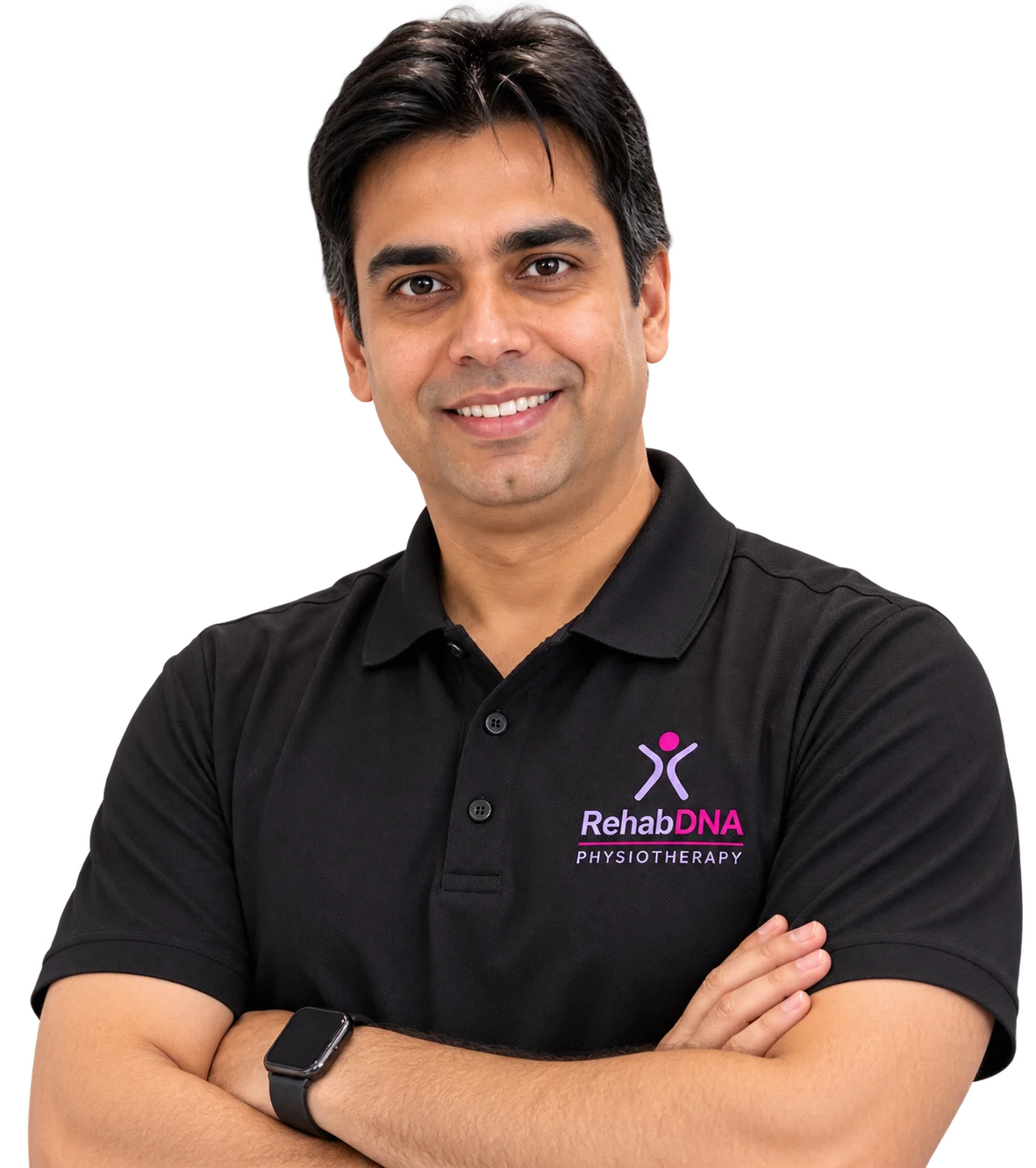
Registered Physio, MSPT

Registered Physio, PT

Registered Psychotherapist (Qualifying)
Sports Physiotherapy in Newmarket
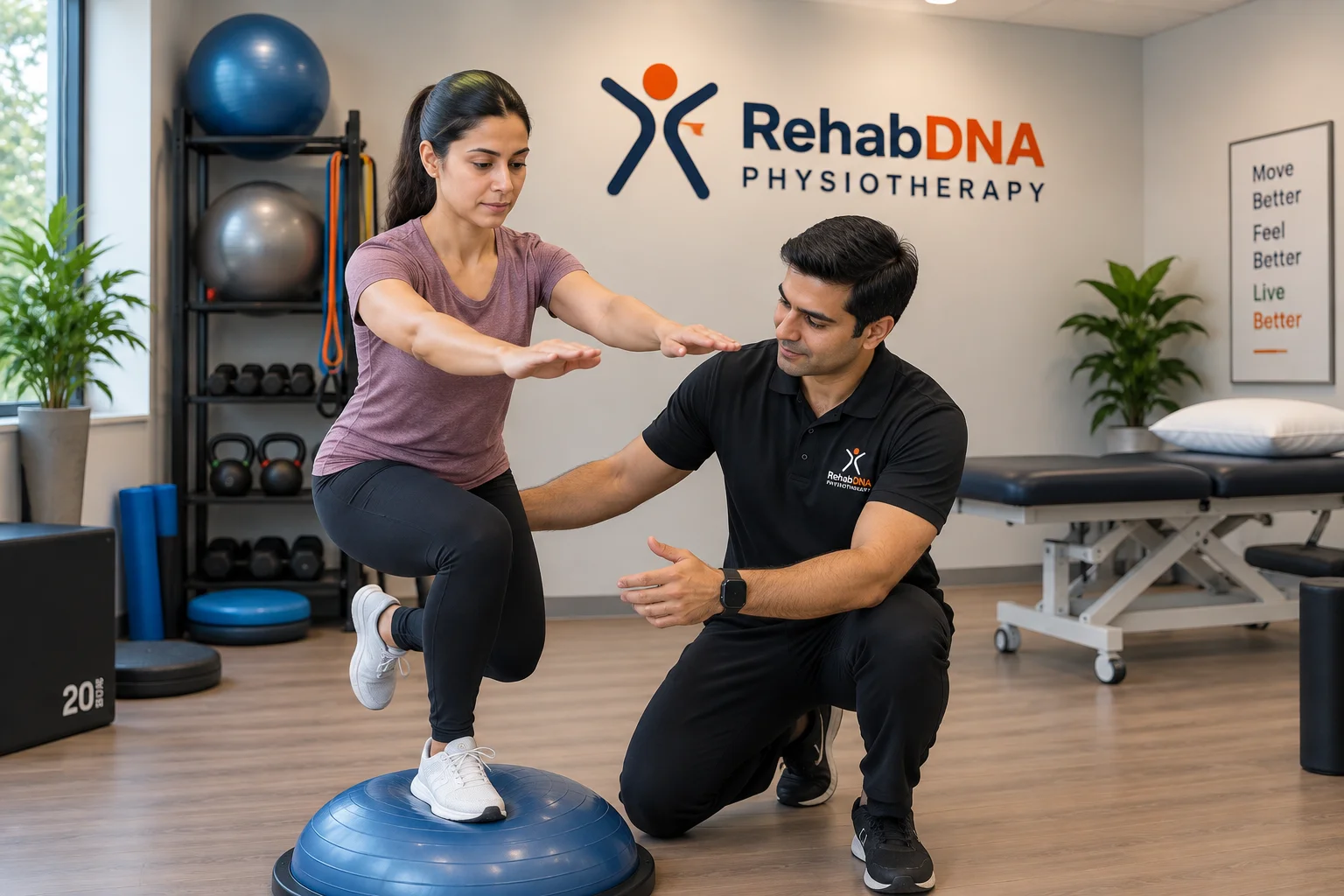
Injuries can interrupt training, competition and everyday movement. Sports physiotherapy focuses on assessing movement, improving strength and mobility, and progressing rehabilitation toward your individual goals.
- Sports-related muscle and joint injuries
- Knee injuries, including ACL and meniscus rehabilitation
- Post-operative rehabilitation and return-to-activity planning
- Strength, balance, mobility and movement training
- Injury prevention and performance-focused rehabilitation
PATIENT INFORMATION
Frequently Asked Questions About Physiotherapy in Newmarket
Looking for a physiotherapist in Newmarket, Ontario? Learn about physiotherapy appointments, common injuries, rehabilitation, referrals and payment options at RehabDNA Physiotherapy.
Where is RehabDNA Physiotherapy located in Newmarket, Ontario?
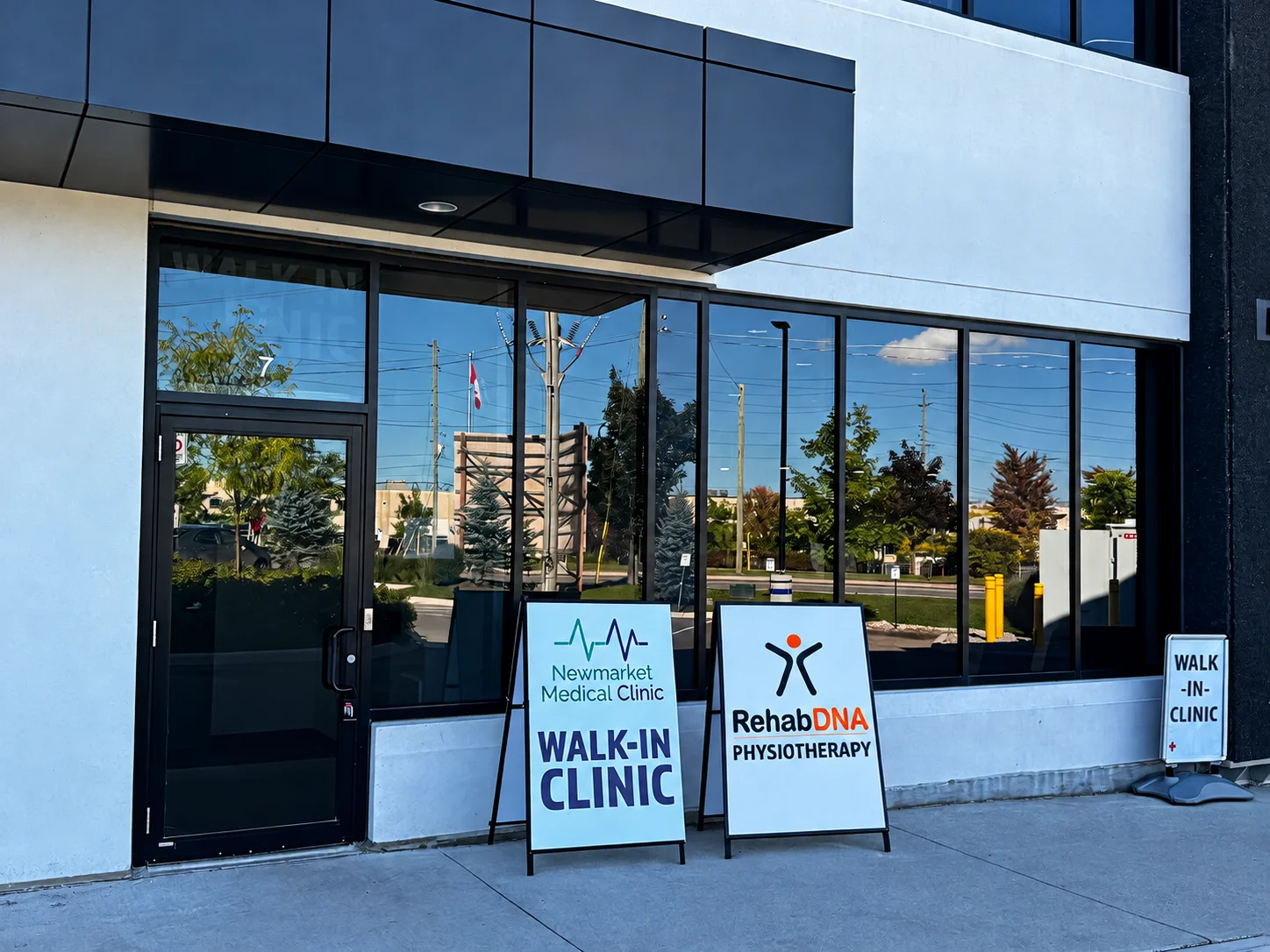
RehabDNA Physiotherapy is located at 455 Harry Walker Pkwy S, Unit 7, Newmarket, Ontario L3Y 8T3, Canada. Contact our clinic if you need help confirming the best entrance or planning your visit.
Get directions to RehabDNA Physiotherapy on Google Maps .
Call (905) 509-8469 or email Info@RehabDNA.com with location or appointment questions.
What conditions can physiotherapy help with?
Physiotherapy can help assess and manage many movement-related problems, pain conditions and injuries. The appropriate treatment depends on your symptoms, medical history and assessment findings.
People commonly seek physiotherapy for:
- Lower back pain, neck pain and sciatica symptoms.
- Shoulder pain, tennis elbow, wrist pain and repetitive-strain injuries.
- Hip pain, knee pain, ankle sprains and foot problems.
- Sports injuries, muscle strains and ligament injuries.
- Rehabilitation after surgery, including knee and ACL procedures.
- Balance difficulties and selected vestibular conditions.
- Pelvic floor symptoms and age-related mobility difficulties.
Your physiotherapist can assess whether physiotherapy is suitable for your condition or whether further medical assessment is needed.
Do I need a doctor's referral to see a physiotherapist in Ontario?
In Ontario, you can generally book a private physiotherapy appointment directly without a doctor's referral. You can contact RehabDNA to ask about an appointment and discuss your needs.
However, some extended health insurance plans require a referral or prescription before reimbursing physiotherapy expenses. Check your plan's rules before your visit.
Publicly funded physiotherapy has separate eligibility requirements. A referral alone does not guarantee eligibility for government-funded treatment.
Does OHIP cover physiotherapy in Newmarket?
OHIP does not cover every private physiotherapy appointment. Ontario does have government-funded physiotherapy programs for eligible people through participating clinics and other services.
Eligibility can include people aged 65 or older, people aged 19 or younger, eligible people following a hospital admission or day surgery, and eligible recipients of Ontario Works or the Ontario Disability Support Program. Program conditions apply.
If you are looking for OHIP-covered physiotherapy, verify your eligibility and the participating clinic's arrangements through the Ontario government's official government-funded physiotherapy information .
Contact RehabDNA to confirm the payment options available for your particular appointment. Do not assume a private visit is OHIP-funded.
Does private insurance cover physiotherapy?
Many extended health benefit plans include physiotherapy coverage, but the amount and conditions vary by insurer and policy. Some plans have annual maximums, per-visit limits, deductibles or referral requirements.
Before booking, check:
- Your remaining physiotherapy benefit balance.
- Whether a physician's referral is required.
- Whether your plan requires receipts or specific documentation.
- How reimbursement and direct billing, if available, are handled.
Contact RehabDNA at (905) 509-8469 to ask about payment arrangements. Confirm coverage with your insurer rather than assuming every service is reimbursed.
How can physiotherapy help with lower back pain and sciatica?
Lower back pain and sciatica-like symptoms can have different causes. A physiotherapy assessment considers your symptoms, movement, strength, activity tolerance and relevant medical history.
Depending on the findings, a treatment plan may include individualized exercises, movement advice, gradual activity progression, education and selected hands-on techniques. The goal is to improve function and help you manage everyday activities safely.
Seek urgent medical attention for back pain accompanied by new loss of bladder or bowel control, numbness around the groin or saddle area, or rapidly worsening leg weakness. These may indicate a serious condition requiring emergency assessment.
Can physiotherapy help with sports injuries, knee pain and ACL rehabilitation?
Physiotherapy can help assess sports-related problems such as muscle strains, ankle sprains, knee pain and selected ligament injuries. Treatment depends on the injury, its severity and your sporting goals.
ACL and meniscus rehabilitation may involve restoring knee movement, progressively rebuilding strength, balance and coordination, and preparing for the demands of daily activities or sport. After surgery, progression should follow your surgeon's guidance and an individualized rehabilitation plan.
A suspected fracture, major swelling after an injury, a locked knee or inability to bear weight may require prompt medical assessment before exercise-based rehabilitation begins.
What happens at my first physiotherapy appointment?
Your first appointment generally begins with a discussion of your symptoms, health history, daily activities and treatment goals. Your physiotherapist may assess relevant movement, strength, flexibility, balance or functional tasks, depending on your presentation.
The findings help guide a proposed treatment plan. This may include education, suitable exercises, activity advice and other assessment-guided interventions. Your physiotherapist should explain the plan and discuss your questions.
Wear comfortable clothing that allows the affected area to be assessed. Bring relevant medical reports, imaging information or your post-operative instructions if you have them.
How long does physiotherapy take to work, and how many sessions will I need?
There is no single recovery timeline for every physiotherapy patient. The number of visits depends on the condition, its severity and duration, your goals, your general health and how you respond to treatment.
Some people need short-term guidance for a relatively simple problem, while post-operative rehabilitation, persistent pain or more complex injuries may require a longer plan.
Your physiotherapist can discuss expected milestones after assessment and review your progress over time. No specific recovery time or outcome can be guaranteed.
Can physiotherapy help after surgery or a knee replacement?
Post-operative physiotherapy can support the gradual restoration of movement, strength, balance and functional ability after many orthopaedic procedures, including knee replacement and selected knee surgeries.
Rehabilitation should follow your surgeon's precautions and progress according to your procedure, healing and clinical assessment. Your physiotherapist can help adapt exercises and everyday activities as appropriate.
Contact your surgical team promptly if you develop concerning symptoms such as fever, increasing wound redness or drainage, or sudden significant swelling or pain. Chest pain or sudden shortness of breath requires emergency medical care.
Can I get physiotherapy after a car accident or workplace injury?
Physiotherapy may form part of rehabilitation after a motor vehicle accident or workplace injury. Payment, authorization and documentation depend on the circumstances of your injury and the applicable insurance or WSIB process.
For a workplace injury, report it promptly and follow WSIB requirements. For a motor vehicle accident, contact your auto insurer about accident benefits and the documents required for treatment.
Before booking, contact RehabDNA to confirm whether the clinic can accommodate your particular WSIB or motor vehicle accident claim and what documentation is needed. Coverage and clinic participation should be confirmed rather than assumed.
How do I book a physiotherapy appointment at RehabDNA in Newmarket?
You can request an appointment through the RehabDNA online booking system or contact the clinic directly if you have questions about services or scheduling.
Clinic: RehabDNA Physiotherapy
Address: 455 Harry Walker Pkwy S, Unit 7,
Newmarket, ON L3Y 8T3, Canada
Phone:
(905) 509-8469
Email:
Info@RehabDNA.com
Looking for Physiotherapy in Newmarket?
Contact RehabDNA Physiotherapy to discuss your symptoms, rehabilitation goals and the most appropriate next step for your care.