Back Pain Physiotherapy
Back pain can affect how you move, work, exercise, sleep, and manage everyday activities. At RehabDNA Physiotherapy in Newmarket, we provide personalized physiotherapy and rehabilitation to help you understand your back pain, improve movement, build strength, and work toward better function.
When Should You See a Physiotherapist for Back Pain?
Consider a physiotherapy assessment when back pain or stiffness is affecting your normal movement, work, exercise, sleep, or daily activities, particularly when symptoms persist or repeatedly return.
Some back symptoms require medical assessment rather than routine physiotherapy. Seek urgent medical attention for serious or rapidly worsening symptoms such as significant weakness, loss of bladder or bowel control, numbness around the groin/saddle area, or back pain following significant trauma.
Understand back pain physiotherapy
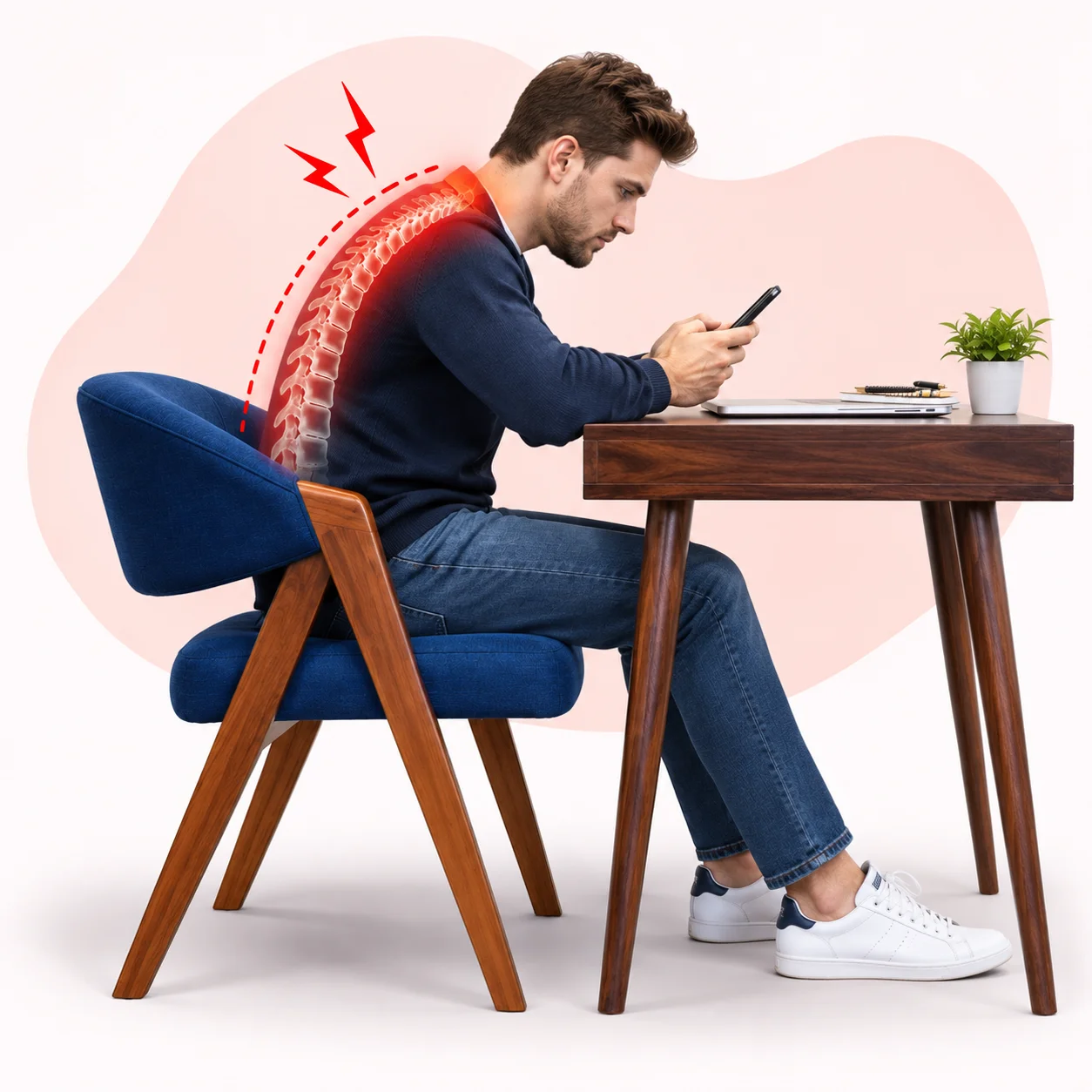
Back pain can develop for many reasons, including muscle strain, repetitive activities, prolonged sitting, sports injuries, lifting, reduced mobility, or changes affecting the spine and surrounding tissues.
Some people experience short-term back pain after an injury or unusual activity, while others may have recurring or persistent symptoms that interfere with work, exercise, sleep, or daily movement.
At RehabDNA, we begin by understanding your symptoms, history, movement, strength, mobility, and functional limitations. This helps us develop a physiotherapy approach based on your individual needs and rehabilitation goals.
If your back pain is affecting your everyday life, a professional physiotherapy assessment can help determine appropriate next steps.
Let’s understand How and Why First.
Common Back Pain Problems We Help With
Lower Back Pain
Pain and stiffness in the lower back can affect sitting, standing, walking, lifting, exercise, and everyday movement.
Muscle Strain
Sudden movements, lifting, overuse, or physical activity can place stress on the muscles supporting the back and contribute to pain and stiffness.
Sciatica & Radiating Pain
Some back conditions can cause symptoms that travel from the lower back into the buttock or leg. Physiotherapy assessment can help identify movement and functional factors associated with these symptoms.
Disc-Related Back Pain
Bulging or herniated discs may be associated with back pain and, in some cases, symptoms extending into the leg. Rehabilitation should be individualized according to the person’s presentation.
Back Stiffness & Restricted Mobility
Reduced spinal, hip, or surrounding joint mobility can make bending, turning, walking, or other everyday movements more difficult.
Posture-Related Back Discomfort
Long periods of sitting, repetitive positions, and certain movement habits may contribute to back discomfort and stiffness.
Sports & Activity-Related Back Pain
Running, training, lifting, twisting, and other physical activities can place additional demands on the lower back and surrounding muscles.
Post-Surgical Rehabilitation
Following appropriate medical guidance, physiotherapy may support mobility, strength, movement, and functional recovery after surgery.
How We Help With Back Pain
At RehabDNA Physiotherapy, our approach focuses on understanding your individual presentation and helping you work toward improved movement and function.
Comprehensive Physiotherapy Assessment
We assess your symptoms, movement, mobility, strength, flexibility, posture, and functional limitations to understand your rehabilitation needs.
Personalized Treatment
Your treatment may include manual therapy, therapeutic exercise, mobility work, movement retraining, education, and other appropriate physiotherapy techniques.
Mobility & Flexibility
Targeted mobility exercises can help address movement restrictions and improve your ability to perform everyday activities comfortably.
Strength & Stability
Progressive exercises can help develop strength, stability, coordination, and movement control according to your individual needs.
Posture & Movement Education
We help you understand how everyday activities such as sitting, lifting, working, exercising, and repetitive movement may relate to your symptoms.
Progressive Rehabilitation
Your rehabilitation can be adjusted as your symptoms, strength, mobility, and functional abilities change.
Back Pain Physiotherapy for Everyday Life
Back pain is not always limited to the back. It can affect how you sit at work, sleep at night, exercise, lift objects, walk, play sports, or participate in family activities.
Our rehabilitation approach focuses on helping you improve the movement and function you need for your everyday life.
Whether your goal is returning to work, getting back to exercise, improving mobility, or managing recurring back symptoms, your rehabilitation plan is built around your individual needs and goals.
Why Choose RehabDNA for Back Pain Physiotherapy?
Experienced Physiotherapists
RehabDNA is led by Registered Physiotherapists Rakesh Choudhary and Sakshi Gaur and RehabDNA team is with more than 10 years of clinical and academic experience across physiotherapy, rehabilitation, sports, and long-term care.
Personalized Care
Your physiotherapy assessment and rehabilitation plan are tailored to your symptoms, movement, abilities, activities, and goals.
Active Rehabilitation
We combine appropriate hands-on care with therapeutic exercise, mobility training, strengthening, movement retraining, and patient education.
Progress-Focused Approach
We assess your progress throughout rehabilitation and adapt your approach as your movement, strength, and functional abilities change.
In-Person Physiotherapy in Newmarket
RehabDNA Physiotherapy provides in-person physiotherapy at:
455 Harry Walker Pkwy S Unit 7
Newmarket, ON L3Y 8T3
Canada
When Should You See a Physiotherapist for Back Pain?
Consider a physiotherapy assessment when back pain or stiffness is affecting your normal movement, work, exercise, sleep, or daily activities, particularly when symptoms persist or repeatedly return.
Some back symptoms require medical assessment rather than routine physiotherapy. Seek urgent medical attention for serious or rapidly worsening symptoms such as significant weakness, loss of bladder or bowel control, numbness around the groin/saddle area, or back pain following significant trauma.
Science of Recovery

