Dry Needling in Newmarket
Your body pain can affect how you move, work, exercise, sleep, and manage everyday activities. At RehabDNA Physiotherapy in Newmarket, we provide personalized pain physiotherapy and rehabilitation to help you understand your pain, improve movement, build strength, and work toward better function.
Dry Needling in Newmarket: Targeted Trigger Point Therapy for Fast Pain Relief
Persistent muscle tightness, stubborn knots, and radiating nerve discomfort can severely restrict how you move, work, and enjoy life. When traditional stretching and deep tissue massage fail to release deep-seated muscular tension, dry needling in Newmarket provides a precise, evidence-based physical therapy solution designed to reset hyperactive muscles and restore healthy biomechanics.
At RehabDNA, our certified physical therapists integrate intramuscular stimulation (IMS) and myofascial trigger point dry needling into personalized rehabilitation programs. Whether you are dealing with chronic lower back pain, sports-related muscle strains, neck stiffness, or sciatica, our target-driven approach addresses the root neuromuscular origin of your pain.
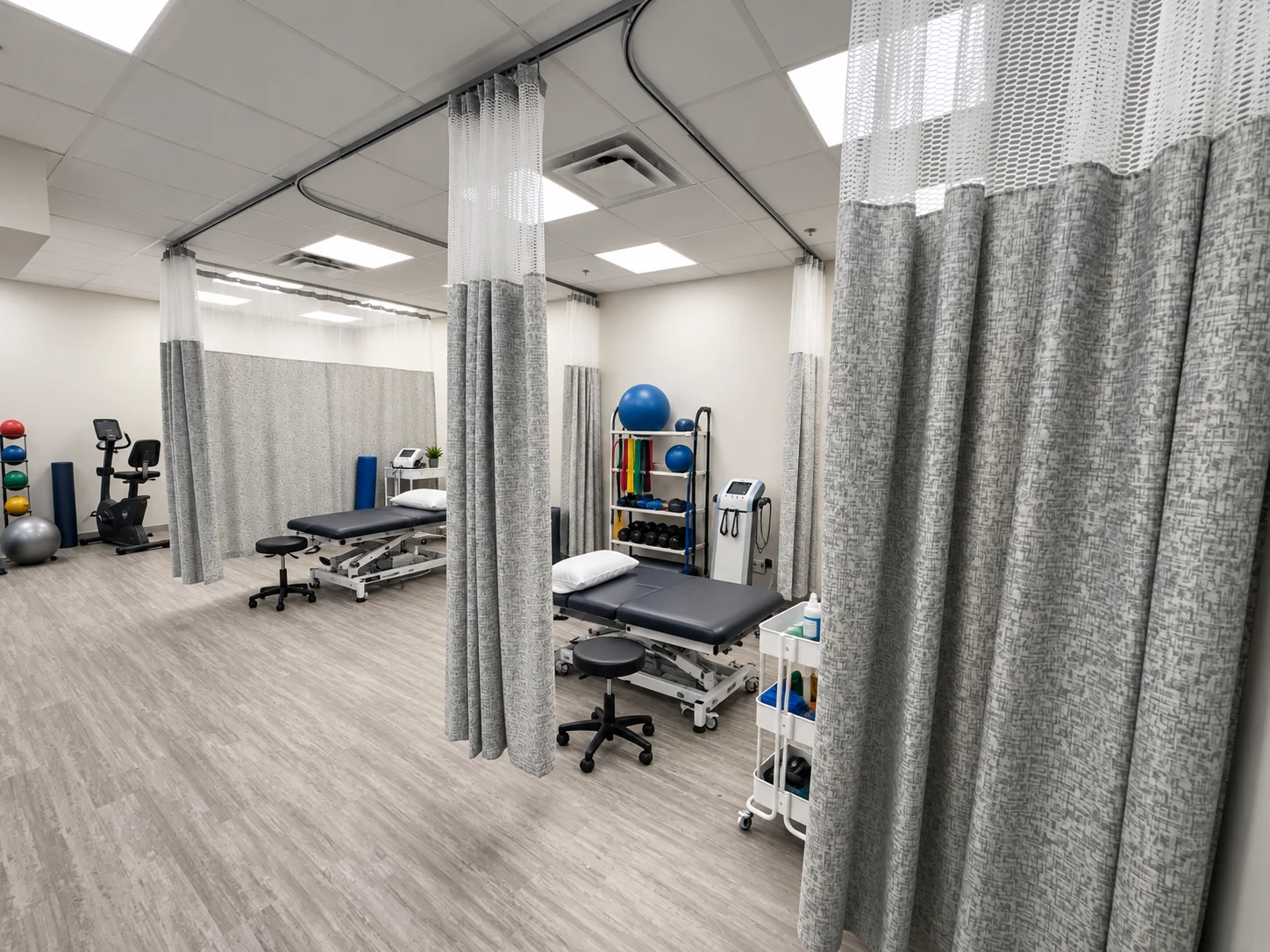
Physiotherapy & Rehabilitation in Newmarket
What Is Dry Needling and How Does It Work?
Dry needling—often referred to as intramuscular stimulation (IMS) or myofascial trigger point dry needling—is a therapeutic technique performed by registered physical therapists. It involves inserting ultra-fine, sterile, single-use solid filiform needles directly into myofascial trigger points (“knots”) within a tight muscle belly.
The Science Behind the Needle
A myofascial trigger point is a hyperirritated band of skeletal muscle fiber. When a muscle is overused, injured, or subjected to chronic postural stress, it enters a localized state of hypoxia (lack of oxygen) and continuous contraction. This restricts blood flow and traps inflammatory chemicals, creating persistent local or radiating pain.
When we perform dry needling in Newmarket, the insertion of the needle triggers a series of physiological responses:
- The Local Twitch Response (LTR): The targeted muscle fiber undergoes a brief, involuntary reflex contraction. This “twitch” breaks the continuous contraction cycle, allowing the muscle fibers to relax instantly.
- Biochemical Reset: Research demonstrates that triggering an LTR rapidly reduces local inflammatory chemicals (such as substance P and bradykinin) while stimulating the body’s natural endorphin response.
- Restored Microcirculation: Releasing the contraction opens micro-vessels, flushing fresh, oxygenated blood through the tissue to accelerate cellular healing.
- Neuromuscular Deactivation: The central nervous system receives a reset signal, lowering nerve sensitivity and reducing referred pain pathways.
Dry Needling vs. Acupuncture: What is the Difference?
Patients seeking dry needling in Newmarket frequently ask how this procedure differs from traditional Chinese acupuncture. While both therapies utilize thin, solid needles, their underlying frameworks and clinical goals are distinct:
| Parameter | Dry Needling (IMS) | Traditional Acupuncture |
| Foundational Science | Western medical anatomy, neurology, and biomechanics. | Traditional Chinese Medicine (TCM). |
| Target Locations | Anatomical myofascial trigger points and tight muscle bands. | Energy pathways and meridians (Qi channels). |
| Primary Clinical Goal | Releasing localized muscle spasms, restoring range of motion, and resolving nerve entrapment. | Balancing systemic energy flow, internal organ regulation, and stress relief. |
| Evaluation Method | Comprehensive physical assessment, orthopedic testing, and tissue palpation. | Pulse diagnosis, tongue inspection, and holistic symptom tracking. |
| Typical Practitioners | Registered Physiotherapists & Physical Therapists. | Registered Acupuncturists (R.Ac). |
Conditions Treated with Dry Needling in Newmarket
Our clinical team utilizes dry needling in Newmarket as part of a comprehensive treatment plan for various musculoskeletal and neurological concerns, including:
- Back Pain & Sciatica: Easing deep gluteal, piriformis, and lumbar paraspinal muscle spasms compressing the sciatic nerve.
- Neck Stiffness & Tension Headaches: Releasing chronic tightness in upper trapezius, levator scapulae, and suboccipital muscles caused by desk work or postural strain.
- Shoulder Impingement & Rotator Cuff Tendonitis: Deactivating trigger points in the infraspinatus and deltoids to improve overhead mobility.
- Hip & Knee Discomfort: Addressing iliotibial (IT) band tightness, patellofemoral pain syndrome, and quad strain in runners.
- Sports Injuries & Repetitive Strain: Treating tennis elbow (lateral epicondylitis), Achilles tendinopathy, and plantar fasciitis.
Patient Guide: What to Expect During Your Session
If you are new to dry needling in Newmarket, understanding what happens during a session helps eliminate anxiety and prepares you for optimal results.
Step 1: Objective Assessment & Palpation
Your therapist evaluates your active movement patterns and manually palpates muscle tissues to isolate exact trigger point locations.
Step 2: Precise Insertion
The skin is sanitized with alcohol. Your therapist gently guides the micro-needle through the skin into the tight muscle band. Most patients barely feel the needle pass through the skin surface.
Step 3: The Twitch & Sensation
As the needle encounters the taut muscle band, you may feel a brief, mild dull ache or a sudden, quick involuntary muscle twitch (the Local Twitch Response). This twitch indicates the muscle knot has successfully released.
Step 4: Integrative Rehabilitation
Dry needling is rarely a standalone treatment. Immediately following needle removal, your physical therapist guides you through active stretching, joint mobilization, or strengthening exercises while the muscle is in a relaxed, receptive state.
Safety, Side Effects, and Post Treatment Aftercare
When performed by a trained, certified healthcare professional, dry needling in Newmarket is exceptionally safe.
Common, Mild Side Effects:
- Post-Treatment Soreness: You may experience a mild, dull ache in the treated area for 12 to 36 hours post-session, similar to the feeling after an intense workout.
- Minor Bruising or Spotting: Minor capillary bleeding or localized bruising occurs in a small percentage of visits and resolves naturally within a few days.
Post Care Best Practices:
To maximize recovery after your session:
- Stay Hydrated: Drink plenty of water to assist metabolic byproduct clearance.
- Apply Gentle Heat: A warm bath with Epsom salts or a heating pad on the area eases post-treatment muscle soreness.
- Keep Moving: Perform the light stretching and mobility drills prescribed by your therapist; avoid staying completely static.
Note: Dry needling is contraindicated for individuals with severe needle phobias, active skin infections over the site, bleeding disorders, or those taking high-dose blood thinners without medical clearance.
Frequently Asked Questions About Dry Needling in Newmarket
Is dry needling painful?
The initial insertion through the skin is generally painless. When the needle strikes a tight trigger point, you may experience a brief, deep ache or cramp sensation lasting a few seconds during the twitch response.
How many dry needling sessions will I need?
Many patients notice immediate improvements in mobility and reduced pain after 1 to 3 sessions. However, achieving long-term structural changes typically requires 4 to 6 sessions combined with corrective strength exercises.
What is the cost of dry needling in Ontario, and is it covered by insurance?
When dry needling is provided as part of a physical therapy treatment plan by a registered physiotherapist, it is billed under standard physical therapy services. Most private, extended health benefit plans in Ontario cover registered physical therapy. Direct billing options are available at our clinic.
Do I need a doctor’s referral for dry needling in Newmarket?
No referral is required to see a physical therapist in Ontario. You can book an assessment directly. However, check with your individual extended insurance plan, as a few insurers require a medical note for claims reimbursement.
Why Choose RehabDNA for Dry Needling in Newmarket?
At RehabDNA, we view dry needling as an accelerator within a broader physical recovery strategy. We do not simply insert needles and leave the room; every session combines precise anatomical needling with hands-on manual therapy and targeted exercise prescription.
Located centrally in Newmarket with ground-floor access and flexible scheduling, our goal is to deliver clear, evidence-informed care that gets you out of pain and back to moving freely.
Ready to release stubborn muscle pain? Contact RehabDNA today to book your physical therapy assessment with dry needling in Newmarket.
RehabDNA Rehabilitation?
Physiotherapy Experience
Our physiotherapists have documented academic and clinical backgrounds in Physiotherapy and Rehabilitation.
Personalized Rehabilitation
Your program is developed around your injury, physical abilities, sport, activity, and goals.
Exercise Based Recovery
Progressive exercise can address strength, mobility, stability, coordination, and functional capacity.
Movement Focused Rehabilitation
We consider how your injury affects movement and the activities you want to return to.
Progressive Return to Activity
Your rehabilitation can progress from basic movement and strengthening toward increasingly demanding functional and specific activities.
Science of Recovery

